Old Dominion Public Adjusters
(804)307-2247
Home / Storm Damage

Storm Damage Claims

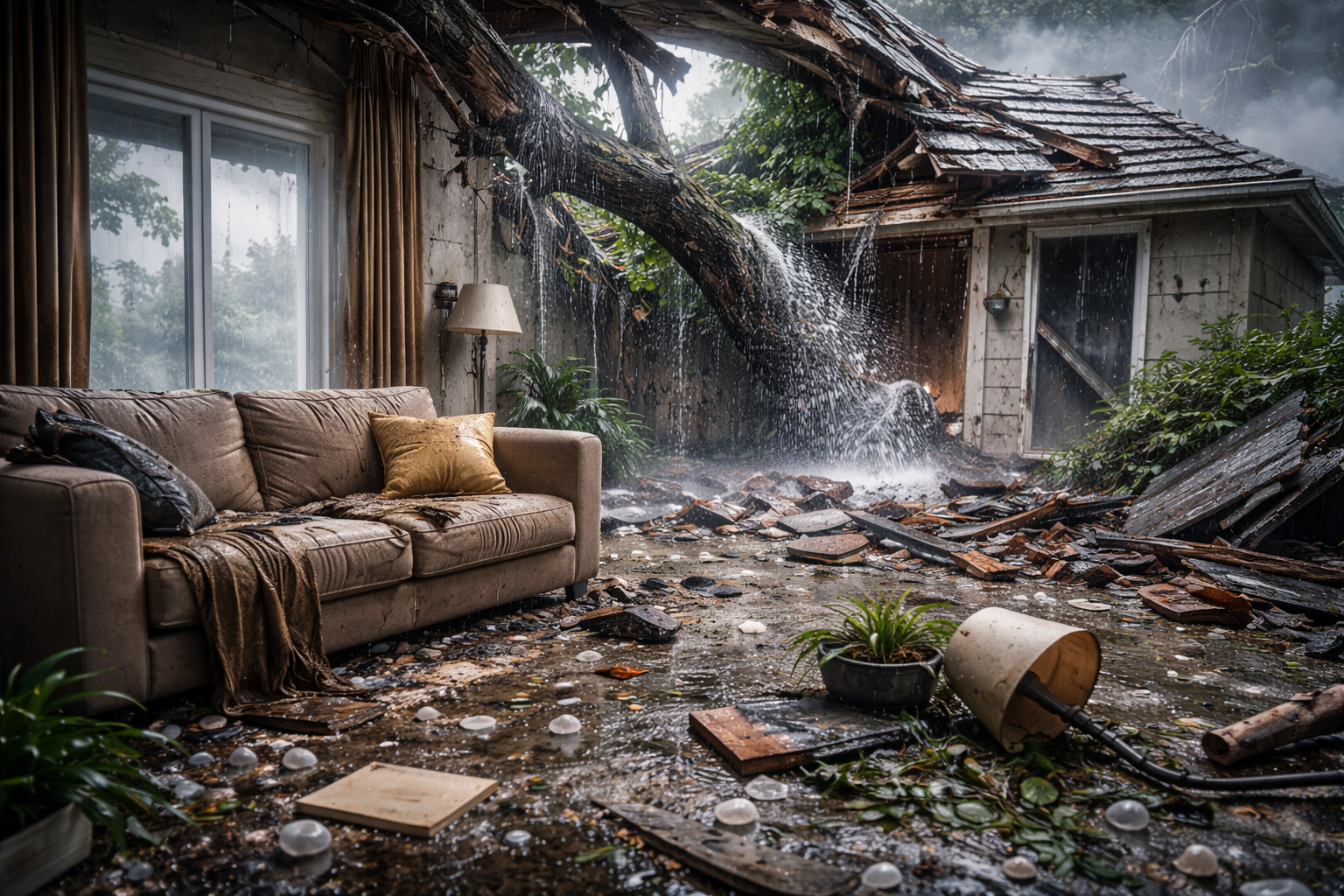
After a storm, damage is not always easy to spot. Wind, hail, heavy rain, and flying debris can cause lifted shingles, roof bruising, punctures, flashing failures, water intrusion, and damage to siding, gutters, and other exterior components. Old Dominion Public Adjusters documents the full scope of the loss, prices the damage accurately, and negotiates directly with your insurance company so your claim reflects the true repair and replacement needs—not a temporary patch.

Storm damage documentation, policy review, and settlement negotiation
STORM DAMAGE CLAIMS

Storm Damage Claims Need a Full Property Scope

After a storm, damage is not always easy to spot. Wind, hail, heavy rain, and flying debris can affect roofing, siding, gutters, flashing, vents, windows, and other exterior components—and some issues may not show up until later. Many claims miss important line items when the scope focuses only on the most obvious visible damage. Old Dominion Public Adjusters helps policyholders document the full storm impact, align the claim with the policy, and negotiate for a settlement that supports proper repair or replacement—done right.

Documentation • Valuation • Negotiation • Settlement review
Storm damage assessment and claim support

What We Handle for Storm Damage Claims

Storm losses can affect far more than one visible area. Wind, hail, rain, and debris can damage roofing materials, flashing, vents, gutters, siding, windows, and other exterior components, while water intrusion may lead to interior staining and hidden issues later. We build a claim that reflects the full, supportable scope—so repairs and replacement align with what it takes to restore the property and reduce future risk.

Roof damage Siding and exterior impact Flashing & vent damage Gutters & drainage components Window and trim damage Interior leak staining Temporary repairs
  • Storm damage documentation: Photo evidence, measurements, and room-by-room exterior/interior notes tied to the event.
  • Full property scope: Identify impacted roofing, siding, gutters, flashing, vents, windows, trim, and collateral damage.
  • Estimate and valuation: Pricing that reflects code/line items and the full repair or replacement needs.
  • Policy alignment: Review coverages, deductibles, limits, and required documentation for a compliant claim.
  • Claim preparation and submission: Organized package to reduce delays and help prevent under-scoped approvals.
  • Negotiation and settlement review: Carrier communication, supplement support, and offer review before you sign.

If you’re seeing missing shingles, damaged gutters, broken exterior components, water intrusion, or new interior stains, those details matter. Our job is to ensure they’re clearly documented and properly valued so the settlement supports a real fix.

Google Reviews

See what homeowners say on Google.

A stronger, cleaner review section for Old Dominion Public Adjusters. This version shows more reviews at once, works better on mobile, and shuffles the review order every time the page loads so visitors see a different mix instead of the same fixed testimonials.

5.0
46 Google reviews
Google-style review showcase with randomized display order on every load.
Different reviews appear every time the page loads. Visitors can also shuffle the display manually.
FAQs

Public adjuster questions homeowners ask most.

Tap a question to see the answer. If you’re dealing with a claim right now, use the button below to request a consultation.

Contact Us
Old Dominion Public Adjusters claim support
We document, estimate, and negotiate so you don’t have to.
A public adjuster represents the policyholder, not the insurance company. We help document damage, prepare a detailed claim, and negotiate the settlement so your claim is handled accurately.
Call as early as possible after damage occurs, especially for fire, water, storm, or large/complex losses. Early involvement helps protect evidence, improve documentation, and avoid missed items.
No. We work for you, the policyholder. Our job is to advocate for a fair, well-supported outcome based on your policy and the full scope of damage.
We assist with fire and smoke damage, water and flood damage, wind/hail/storm damage, and other covered property losses. If you’re unsure, request a consultation and we’ll review the situation.
You can still bring us in. We can review what has been submitted, identify missing line items, strengthen documentation, and help with supplements or negotiations if needed.
We inspect and document damages, build a detailed estimate, organize claim evidence, communicate with the carrier, and negotiate the settlement based on your policy coverage.
The goal is usually the opposite: reduce back-and-forth by submitting organized documentation and a clear scope. Timelines still depend on the carrier, but strong documentation helps keep things moving.
Yes, when appropriate. We help point out documented damages, clarify scope questions, and ensure the inspection reflects what’s actually present at the property.
Save photos/videos of damage, receipts, repair invoices, temporary housing costs (if applicable), and any communication with the carrier. If you have a contractor estimate, keep that too.
Do what’s necessary to prevent further damage (temporary mitigation), but document everything first. For permanent repairs, it’s best to coordinate timing so the full scope is recorded and supported.
Yes. We can review the carrier’s estimate, compare it to the actual scope, and prepare additional documentation and supplements when warranted.
Typically, public adjusters are compensated based on a fee structure outlined in an agreement. During your consultation, we’ll explain how it works and what to expect before you decide.
Not necessarily. If important items are missing or the scope is incomplete, the claim can often be supported with additional documentation. We help identify gaps and present a clear, evidence-based supplement.
Timelines vary by loss type, documentation needs, and carrier response. The best way to reduce delays is to submit a complete scope, photos, and supporting information early.
Prioritize safety, stop additional damage if possible, take photos/video, and start a notes log of what happened and when. Then request a consultation so we can guide next steps.